
Popular Foundation Repair Solutions For Preventing Future Damage
Identify effective products that help prevent foundation issues and extend the lifespan of your home's foundation.
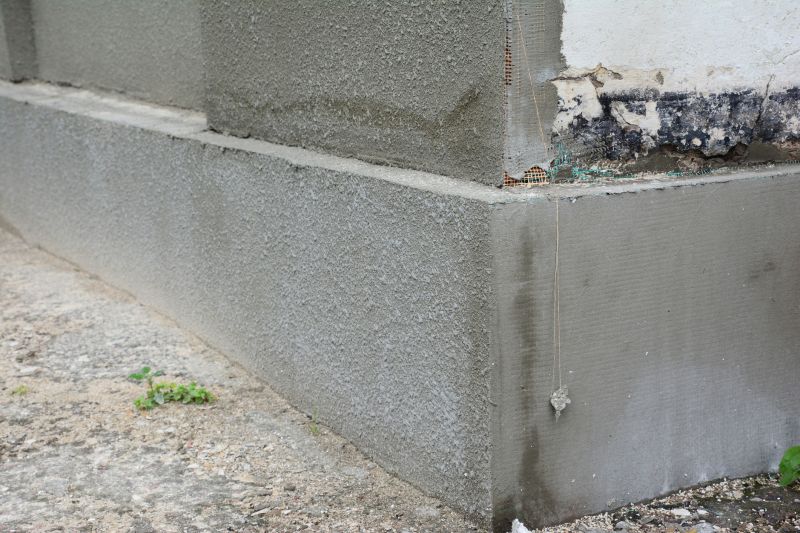 Foundation repairs are a critical aspect of maintaining the structural integrity and safety of a building. When issues such as cracking, settling, or shifting occur, selecting the appropriate repair products becomes essential. A variety of tools and materials are available to address different foundation concerns, from minor cracks to significant structural adjustments. Proper assessment and choosing the right products can help ensure long-lasting stability and prevent further damage. It is important to understand the specific needs of your foundation and to consult with professionals when necessary to determine the most suitable solutions.
Top Overall Option
Polyurethane Foam Injection System
Polyurethane foam injection systems are versatile and commonly used for sealing and lifting sunken or settling foundations. They expand upon application, filling voids and stabilizing the soil beneath the foundation. These systems are suitable for addressing minor to moderate foundation issues and are appreciated for their quick curing time and minimal disruption during installation.
Types of Products For Foundation Repairs
Hydraulic Push Piers
Hydraulic push piers are used to lift and stabilize sinking foundations by transferring the load to deeper, more stable soil layers.
Helical Piers
Helical piers are screwed into the ground to provide support for foundations experiencing settlement or shifting issues.
Polyurethane Foam Injection
This method involves injecting expanding foam to fill voids and lift the foundation, suitable for minor to moderate repairs.
Mudjacking / Slab Jacking
A technique where a slurry mixture is pumped beneath settled concrete slabs to lift and level them.
Steel Push Piers
Steel push piers are driven into the ground to provide robust support for heavily settled or damaged foundations.
Carbon Fiber Reinforcement
Carbon fiber strips are applied to interior walls to reinforce and prevent further cracking.
Epoxy Crack Injection
Epoxy injections seal and reinforce cracks in foundation walls, preventing water intrusion and further damage.
Soil Stabilization Grouts
Grouts are injected into unstable soil to improve bearing capacity and reduce settlement.
Concrete Underpinning
Underpinning involves adding support beneath existing concrete foundations for added stability.
Drainage and Waterproofing Products
These products help manage water flow around the foundation, reducing pressure and preventing water-related issues.
Foundation Bolts and Anchors
Used to secure and reinforce existing structures to the foundation, improving stability.
Grout and Sealants
Sealants and grouts are used to fill cracks and prevent water infiltration.
Soil Removal and Excavation Tools
Tools for removing and replacing soil around the foundation during repair projects.
Vapor Barriers
Installed to control moisture and prevent water vapor from affecting the foundation.
Foundation Repair Kits
Complete kits that include various materials and tools for DIY foundation repairs.
Anchor Bolts
Used to secure framing to concrete or masonry foundations, enhancing overall stability.
Popular Choices
A widely used method for addressing foundation settling and void filling with minimal disruption.
Commonly selected for their ability to support and lift heavily settled foundations.
Popular for their ease of installation and effectiveness in stabilizing shifting foundations.
Frequently used for leveling sunken concrete slabs in driveways and patios.
A go-to solution for sealing and reinforcing foundation cracks against water intrusion.
Chosen for interior wall reinforcement to prevent crack widening.
Essential for managing water flow and reducing hydrostatic pressure around foundations.
Often selected for their strength in supporting heavily compromised foundations.
Popular for securing structures and preventing further movement.
Used to improve soil stability beneath foundations.
Commonly installed to control moisture and protect foundation materials.
Preferred for their comprehensive approach to foundation stabilization.
Key Buying Considerations
- Assess the extent of foundation damage to determine appropriate repair methods.
- Identify the type of foundation (slab, crawl space, basement) to select compatible products.
- Consider the soil conditions and stability in your area to choose suitable stabilization options.
- Evaluate the level of load-bearing support needed for your structure.
- Check the compatibility of repair products with existing foundation materials.
- Review the installation process and whether professional assistance is recommended.
- Understand the curing or setting times for products to plan repairs accordingly.
- Consider the long-term durability and maintenance requirements of the chosen products.
- Ensure that the products meet local building codes and safety standards.
- Look for products with clear instructions and support from manufacturers.
- Compare costs and warranties to find options that offer value and peace of mind.
- Think about water management solutions to prevent future foundation issues.
- Determine if reinforcement options like carbon fiber are necessary for crack mitigation.
- Assess the potential for future settlement or shifting based on soil and environmental factors.
- Consult with foundation repair specialists for tailored recommendations.